RoundupPlanted tanks
Best LED Lights for Planted Nano Tanks
Enough PAR for moss and crypts without lighting an algae farm
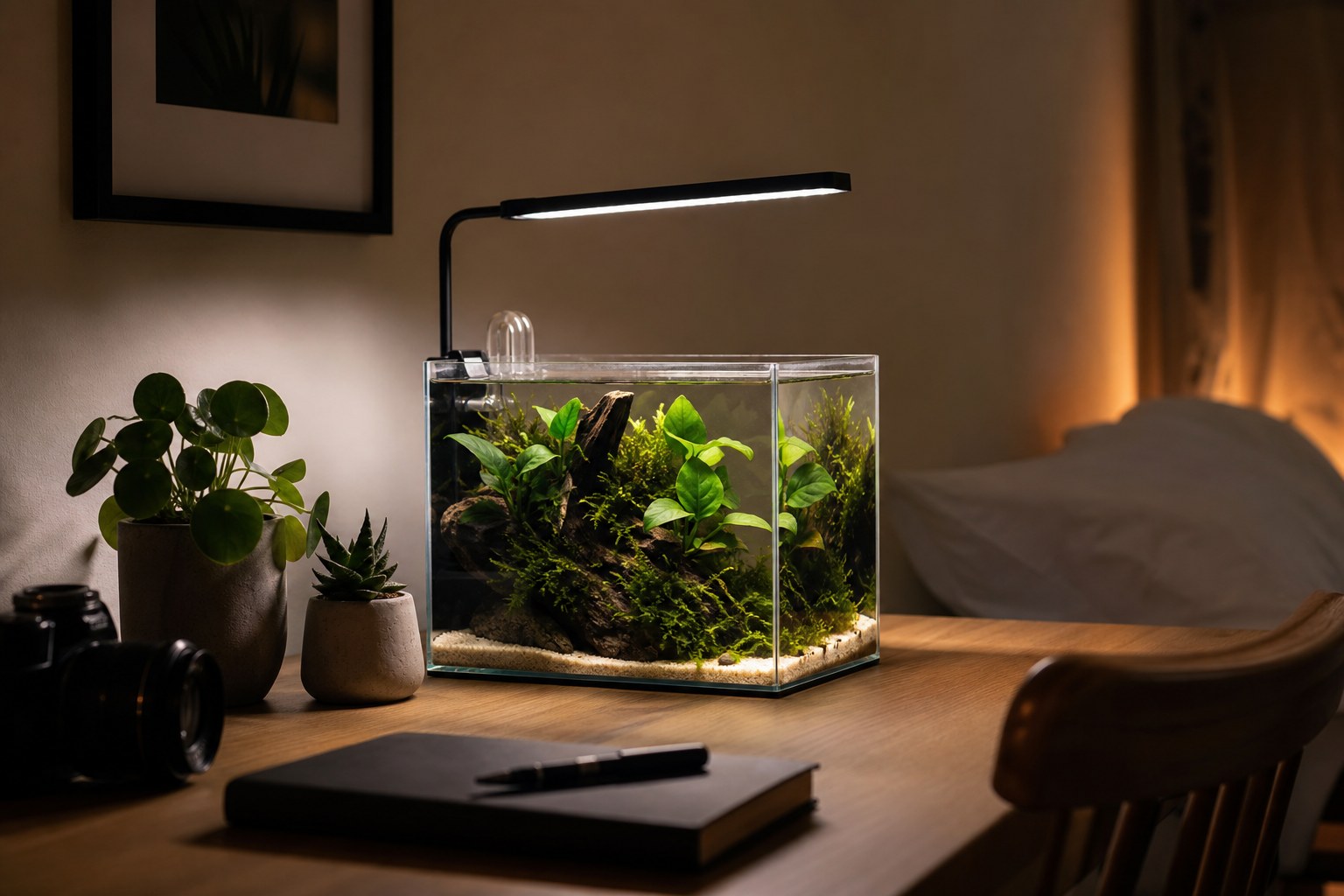
Algae is usually a light problem wearing a nutrient mask
Nano tanks heat and bright faster than you expect. A fixture designed for a 120-litre display crammed onto a 30-litre cube does not grow plants faster—it grows hair algae with commitment.
A keeper on a planted nano group chat upgraded to a brighter fixture without touching photoperiod—within ten days hair algae coated the driftwood. They dialed back to six hours and the tank cleared without buying anything else.
Match output to plant ambition and tank depth. Low-tech layouts need less PAR than Instagram carpet shots suggest.
Our top pick at a glance
For most UK nano planted tanks with moss, crypts, and anubias, a dimmable 15–20 W LED with a six-hour timer beats a blazing fixture you cannot turn down. Raise intensity only when plant growth tells you to—not when the sales page shows PAR charts.
Our picks
Best overall
Chihiros CII RGB
Chihiros
Usually £35–£50
App control and smooth dimming suit scapers who tweak photoperiods—the trade-off is another app on your phone and firmware quirks.
View on Amazon (paid link) (paid link)Premium pick
Fluval Plant 3.0 Nano
Fluval
Usually £55–£70
Reliable spectrum for easy plants with physical controls—premium price for a tank that might only hold 30 litres.
View on Amazon (paid link) (paid link)Budget pick
Aqua One Plant LED 14W
Aqua One
Usually £25–£35
Gets the job done for low-light layouts but pushes algae if you run twelve-hour photoperiods on rich substrate.
View on Amazon (paid link) (paid link)Also consider
ONF Flat Nano
ONF
Usually £40–£55
Beautiful even spread over shallow cubes—depth penetration weakens in tanks taller than 35 cm.
View on Amazon (paid link) (paid link)
What matters most in nano lighting
Adjustability beats peak PAR. Tank depth matters: flat pendants suit shallow cubes; taller columns need stronger penetration or lower light plants.
Consider where the tank sits—bedroom tanks need smooth dimming at dawn, not a stadium floodlight at 6 a.m.
Lights we recommend
Picks favour fixtures UK keepers can source with sensible returns policies. Labels reflect low-tech planted goals, not competition aquascaping.
Living with nano lights
Photoperiod discipline matters more than brand. A cheap timer set to eight hours prevents more algae than a £200 fixture left on manually.
A desk-tank keeper said their partner complained about the tank 'flashing on' at 6 a.m. before a dimmable fixture arrived—they had been switching the light by hand and forgetting on weekends. A £6 timer fixed the household argument and the algae.
Raise lights slightly if you see glass burn on leaves. Lower intensity or duration if fuzz algae coats driftwood within two weeks of a change.
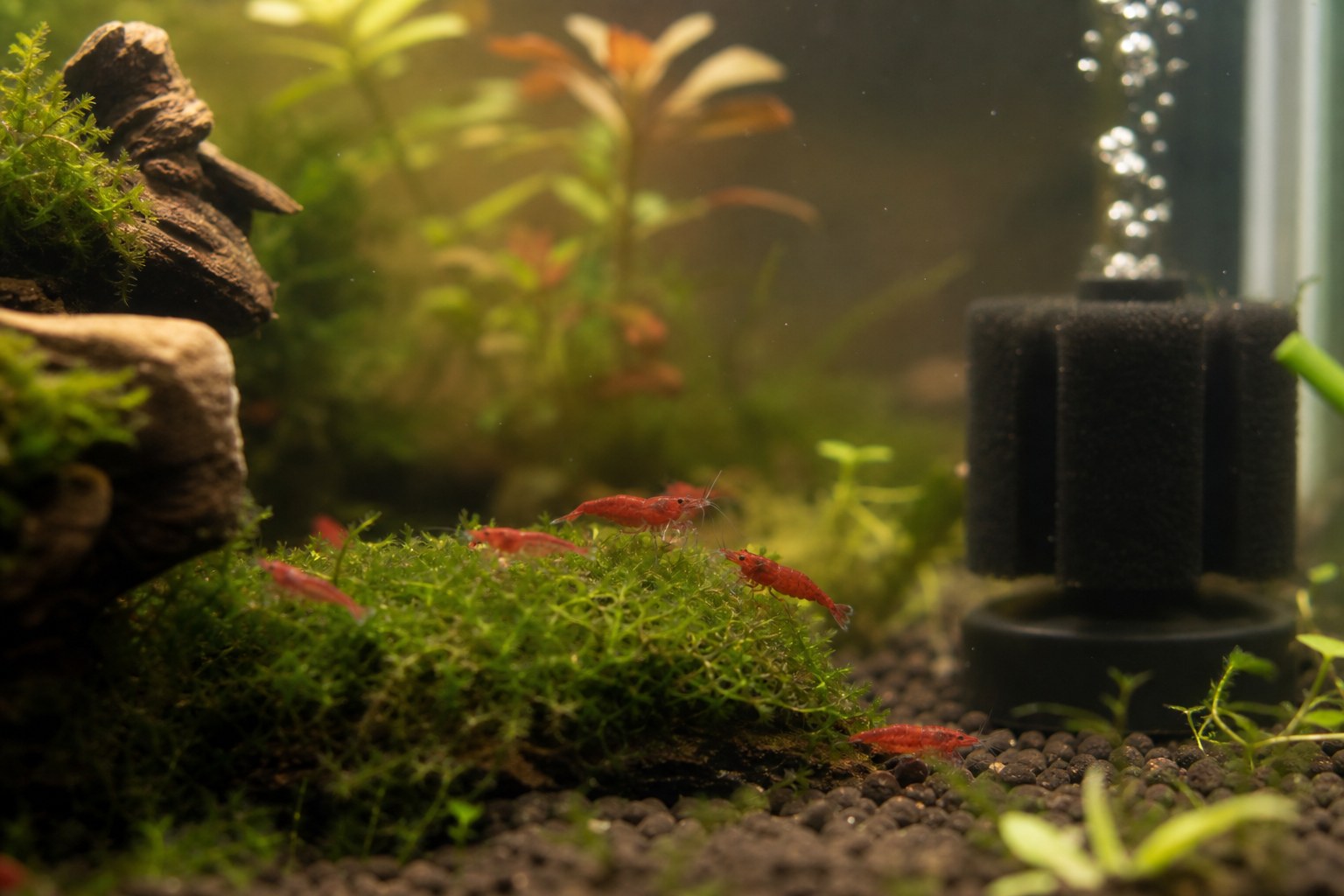
Algae prevention beats cure
Pair lighting changes with water-change consistency. New lights plus old nitrate habits is the classic algae trigger.
Floating plants act as a dimmer—use them while you learn your tank's balance.
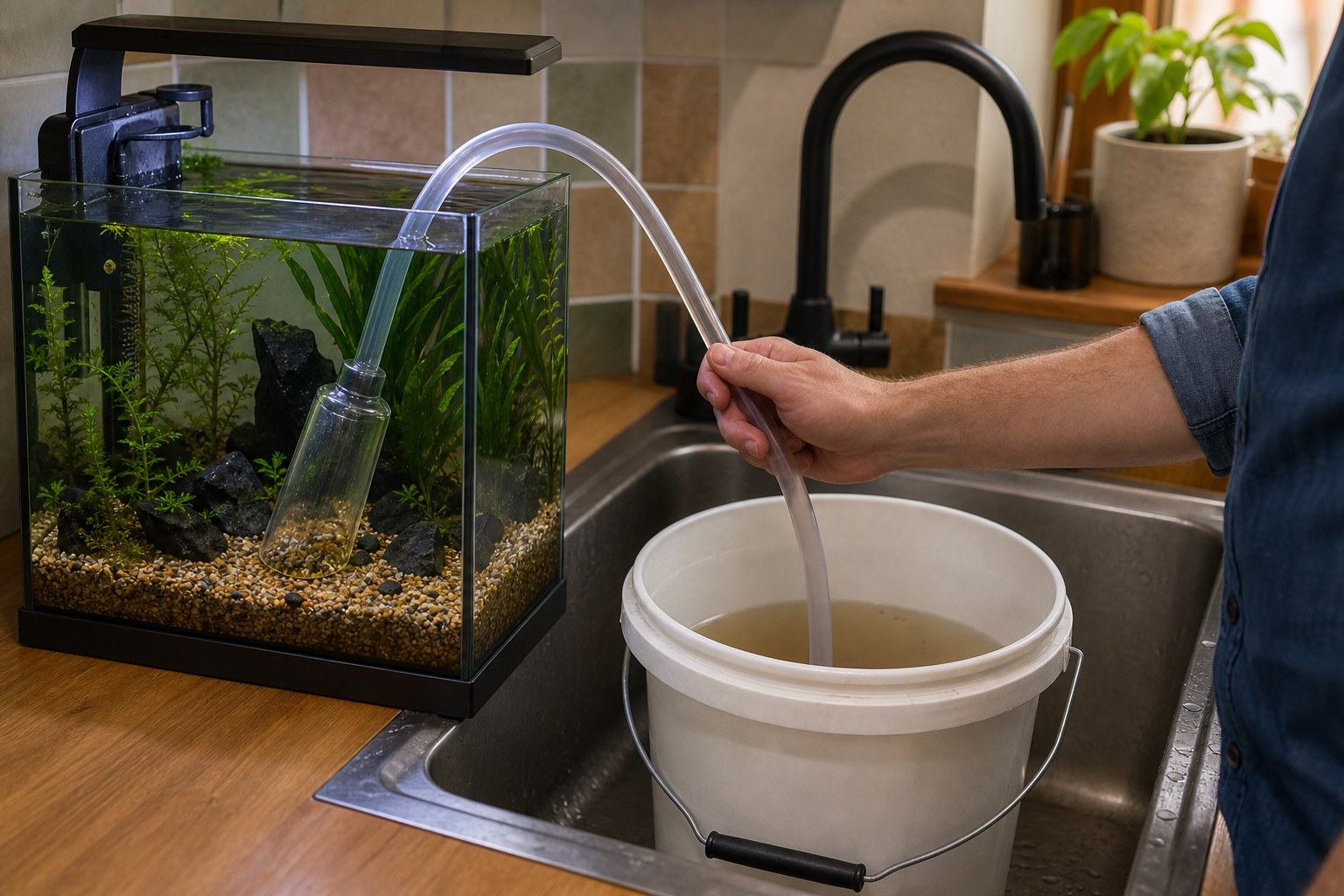
Final thoughts
Start dim and short. Plants tell you when they need more; algae tells you instantly when you gave too much.
Upgrade light when growth stalls—not when the shop has a sale.
Common questions
How many hours of light for a nano planted tank?
Start with six to eight hours. Increase only if plants pale and algae stays controlled. A timer beats manual switching.
Do I need CO2 with these lights?
Not for moss, anubias, java fern, and crypts. Higher-output fixtures on rich substrate may need CO2 or reduced intensity to stay ahead of algae.
Can I use a desk lamp instead?
Dedicated aquarium LEDs include water-safe housings and spectra tuned for plants. Desk lamps risk corrosion and poor plant response.