RoundupShrimp & inverts
Best Sponge Filters for Shrimp Tanks
Gentle flow, biofilm-friendly filtration for neocaridina and caridina colonies
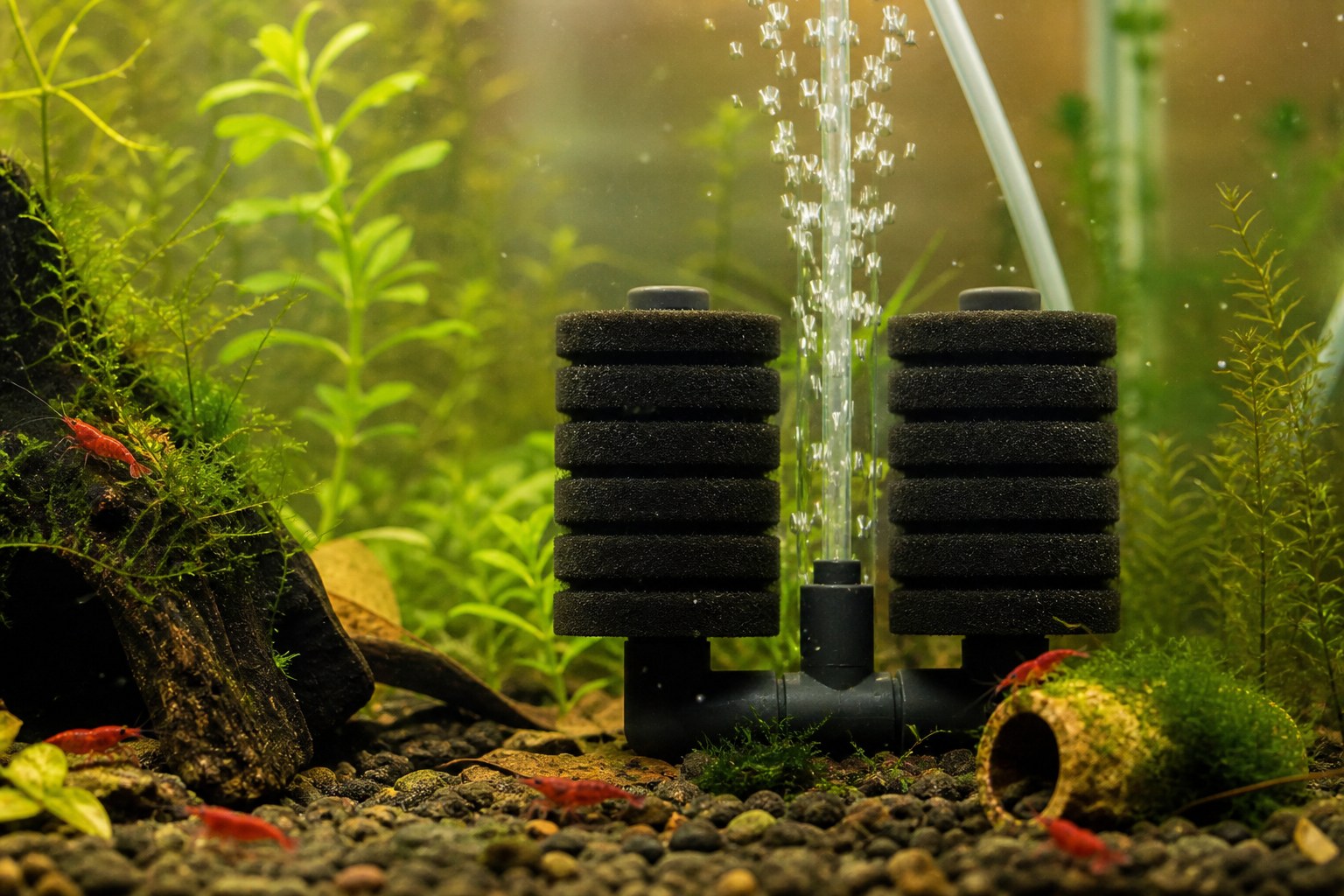
Shrimp want gentle water, not powerheads
Neocaridina and caridina spend their days grazing biofilm on surfaces. A filter that strips that film or pulls shrimplets into an intake guard creates stress you will notice as failed moults and vanished fry.
One keeper we spoke with swapped to a hang-on-back with a tight pre-filter—the intake was fine for tetras, too harsh for shrimplets grazing along the glass. They went back to air-driven foam and stopped losing fry at moult.
Sponge filters solve this with air-driven flow through dense foam. They are ugly, yes—but in shrimp rooms across the UK they remain the default for a reason.
Our top pick at a glance
For most UK shrimp keepers, a dual-sponge air-driven filter with adjustable airflow is the sweet spot. Pair it with a reliable air pump on a gentle setting and you get stable biological filtration without stressing molting shrimp. Budget setups can use a single large sponge on a small pump; larger colonies benefit from two sponges you rotate during maintenance.
Our picks
Best overall
Dual Sponge Filter SF-300
Aquael
Usually under £15
Dual-sponge layout spreads flow without the blast radius of a single oversized foam block—though the coarse outer layer clogs faster in heavily fed breeder tanks.
View on Amazon (paid link) (paid link)Budget pick
Single Sponge Filter XY-2831
Generic
Usually under £8
Ridiculously cheap for nano tanks, but the light base means it tips when you lift the sponge unless you add your own suction cups.
View on Amazon (paid link) (paid link)Premium pick
Pat Mini Sponge Filter
Hydro
Usually £12–£18
Finer pore foam catches shrimplets' detritus beautifully—the hidden cost is weekly rinses instead of fortnightly.
View on Amazon (paid link) (paid link)Also consider
Large Sponge Filter LSF-100
Aquael
Usually £15–£22
Massive bio capacity for breeder racks, but it dominates the aquascape in anything under 60 litres.
View on Amazon (paid link) (paid link)
What matters most when choosing sponge filters
Pore density is the first fork in the road. Fine foam catches more debris but clogs faster; coarse foam flows longer between rinses but lets smaller particles through.
Weighted bases and suction cups matter because you will lift the sponge every fortnight. Airline fit and check valves matter in UK homes where pumps often sit below tank level.
Filters we recommend
Each pick below reflects what UK shrimp keepers actually run—spare foam availability, gentle bubble patterns, and honest maintenance intervals. Primary and budget labels reflect value for typical 30–60 litre shrimp tanks.
Living with sponge filters day to day
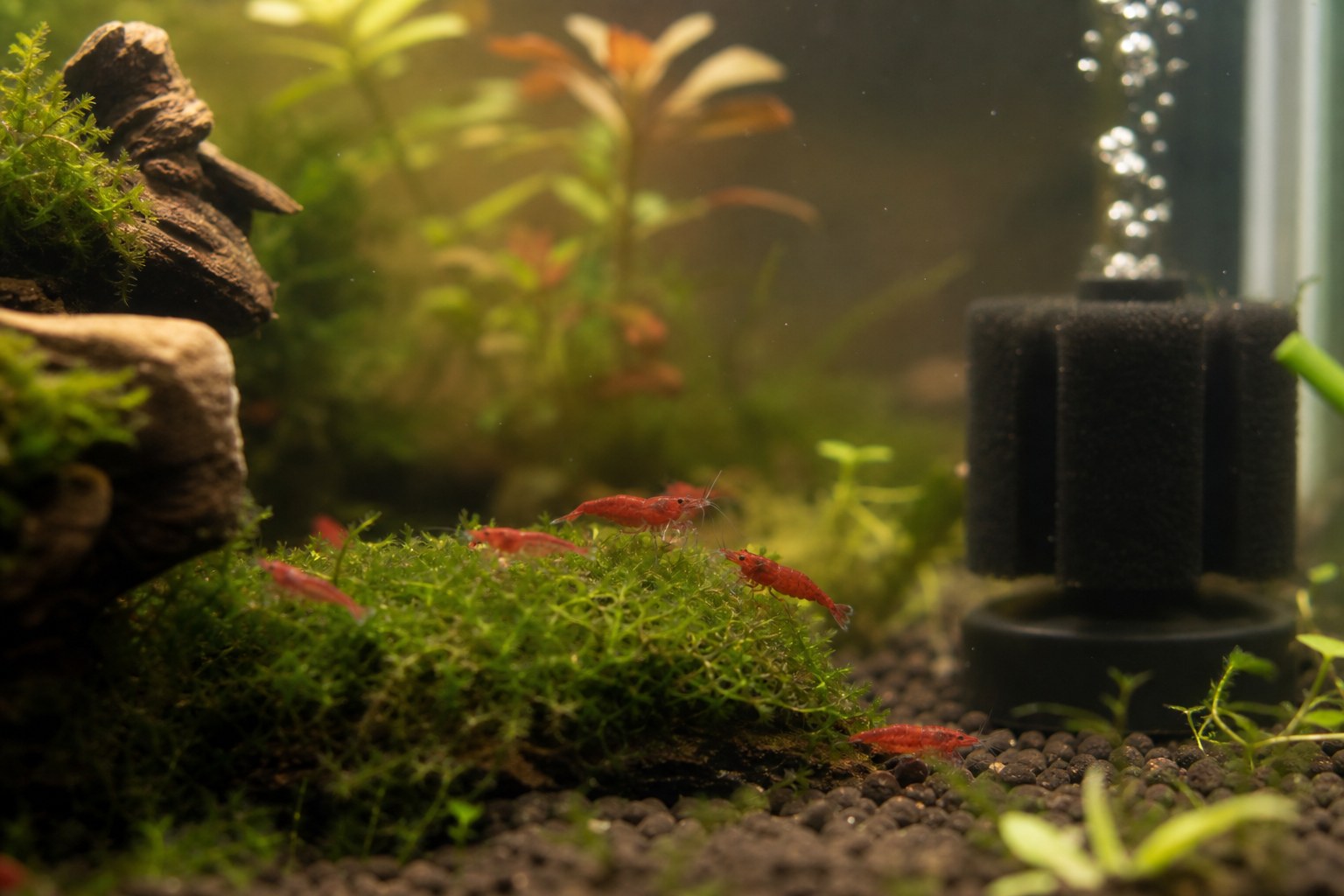
Community wisdom and long-running breeder setups agree: gentle, even circulation beats peak flow every time. Filters that blast the surface send shrimp skittering; filters that barely ripple let biofilm build where you want it.
A keeper running a 40-litre cube in a flat bedroom had the air pump sitting directly on the cabinet—the hum travelled through the floorboards until they hung the pump from a wall bracket. Noise comes from the pump, not the sponge.
Bubble pattern changes when the sponge starts clogging—that is your reminder to rinse, not crank the pump.
Pairing pumps and airflow
Match pump output to tank volume, then dial back with an inline valve. Oversized pumps create a jacuzzi; undersized pumps leave dead zones in tall tanks.
Run airline through a check valve whenever the pump sits below water level. It is a £2 insurance policy against a wet floor.
Final thoughts
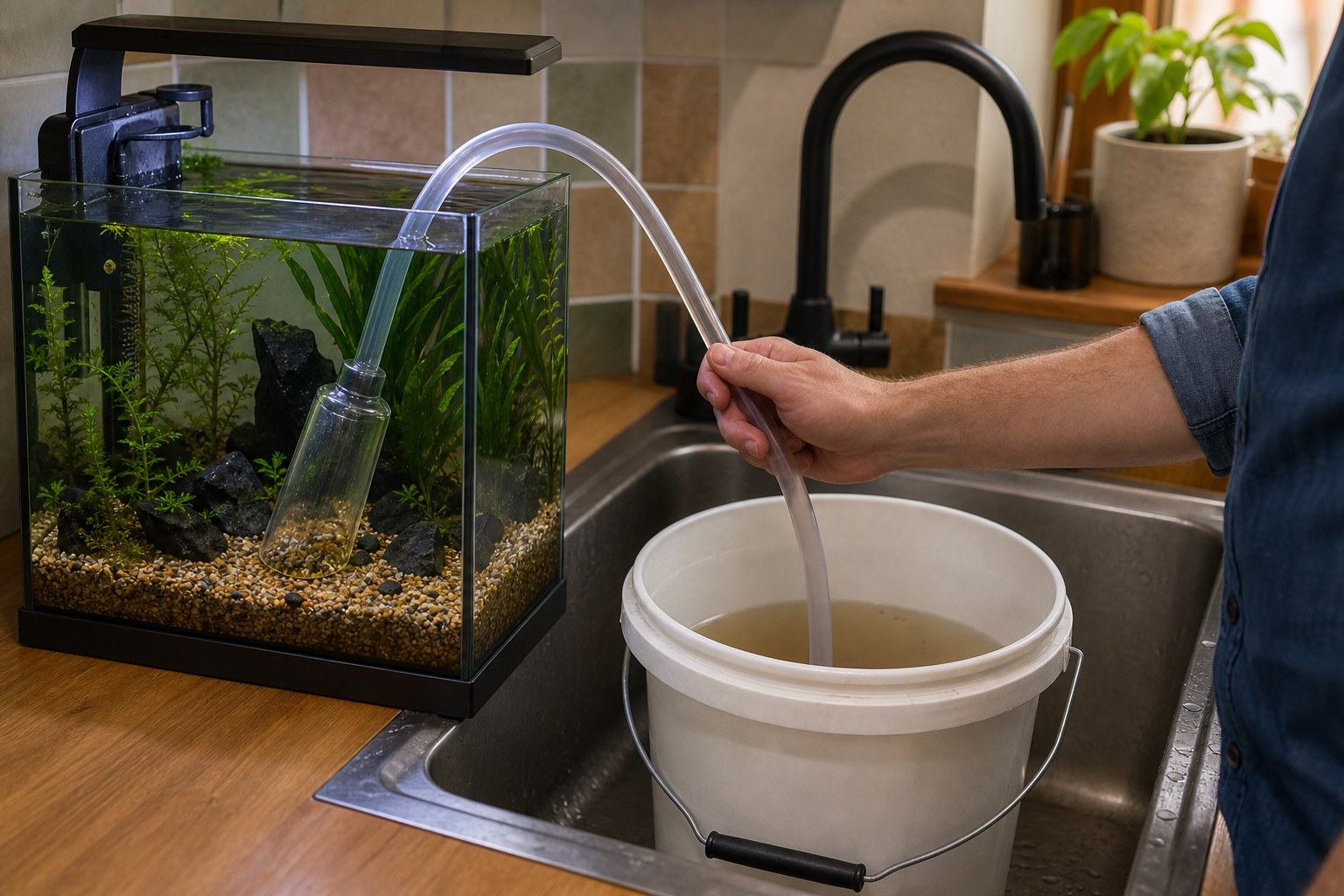
A sponge filter will not replace thoughtful stocking and water-change habits, but it removes a major failure point for shrimp tanks. Start conservative on airflow, seed the sponge from an established tank if you can, and rinse never in tap water.
If you keep only large fish with no inverts, a hang-on-back with a pre-filter sponge may suit you better. If your colony grows, add surface agitation or a second sponge rather than cranking the pump to maximum.
Common questions
How often should I clean a sponge filter in a shrimp tank?
Rinse outer foam in old tank water every one to two weeks, or when flow drops noticeably. Never use tap water—chlorine kills the bacteria shrimp depend on.
Can a sponge filter run a planted shrimp tank alone?
Yes for lightly stocked neo tanks under 60 litres. Add a small hang-on-back or extra sponge if you keep amano shrimp, snails, and heavy feeding schedules.
Do I need a check valve with an air pump?
Yes if the pump sits below tank level. A failed pump can siphon water out overnight—a cheap check valve prevents flooded cabinets.