RoundupEquipment
Best Gravel Vacuums for Small Aquariums
Water-change tools that work when the bucket is closer than the tap
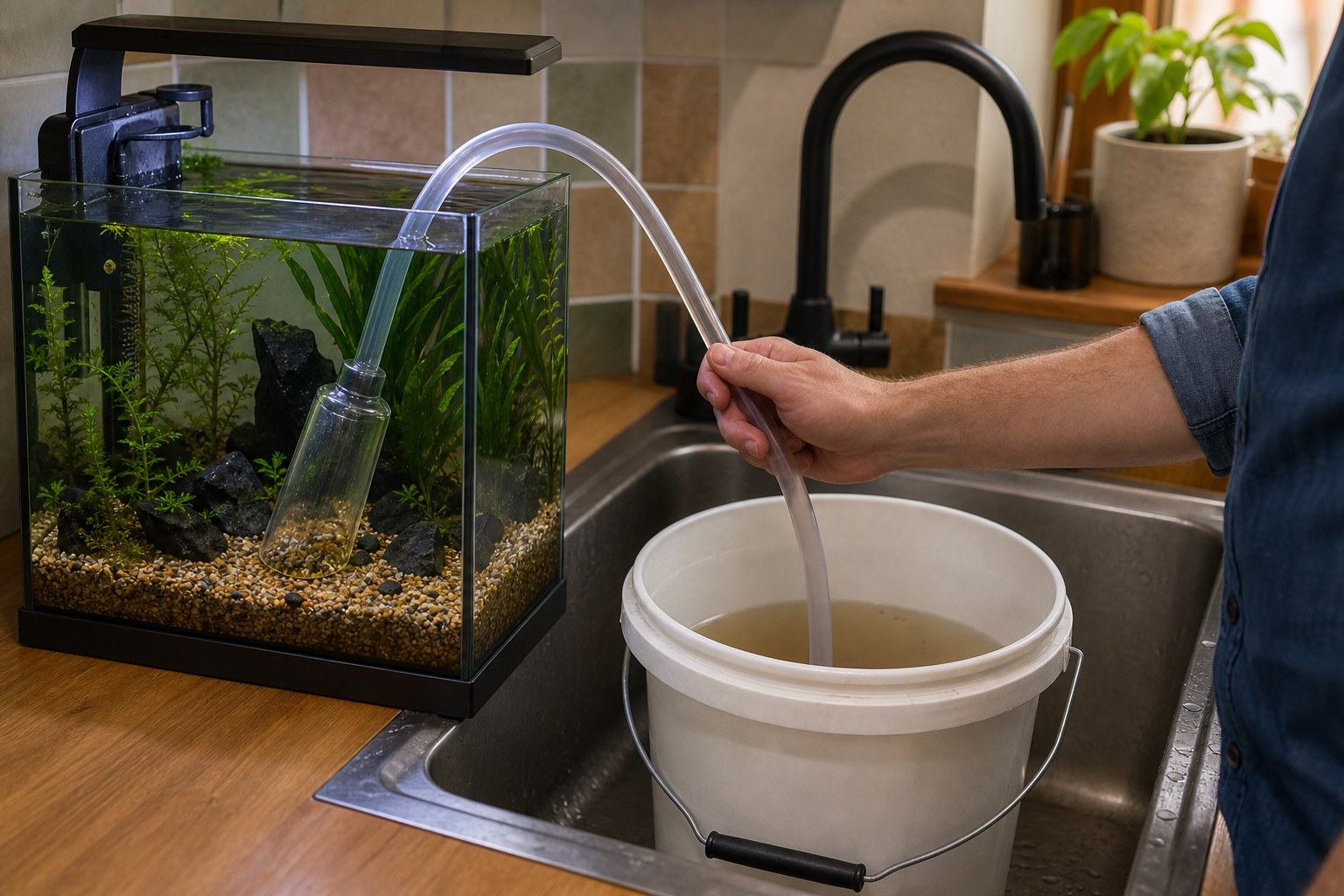
The siphon is your most-used tool
You will touch your gravel vac more often than your filter. In nano tanks, tube diameter and flow control separate a five-minute water change from a flooded sideboard.
One keeper described draining half a 30-litre cube in under two minutes because they used a standard community-tank tube on a nano—the substrate jumped, the bucket overflowed, and the cat got an unexpected bath.
Small tanks do not forgive a siphon that drains thirty litres in ninety seconds.
Our top pick at a glance
A mini gravel vac with a 25–30 mm tube plus a dedicated bucket covers most UK nano tanks. Learn to throttle flow with a gentle kink in the hose until substrate stops jumping. Skip battery gadgets until you have mastered a basic siphon.
Our picks
Best overall
Marina Gravel Cleaner Mini
Marina
Usually under £10
Narrow tube fits nano corners—flow can feel aggressive until you learn to pinch the hose slightly.
View on Amazon (paid link) (paid link)Budget pick
Interpet Gravel Cleaner
Interpet
Usually £8–£14
Self-start squeeze bulb saves mouth siphoning—bulb seals wear and leak after a year of weekly use.
View on Amazon (paid link) (paid link)Premium pick
Python Pro Clean Mini
Python
Usually £12–£18
Smooth hose resists kinks on tight kitchen paths—premium price for what is ultimately a plastic tube.
View on Amazon (paid link) (paid link)Also consider
Generic Air-Driven Gravel Cleaner
Generic
Usually under £8
Gentle for shrimp tanks when run on low air—another airline and pump to clutter the cabinet.
View on Amazon (paid link) (paid link)
What matters most in small-tank siphons
Tube diameter controls speed. Hose length must reach bucket without a tight bend that collapses flow. Self-start bulbs help beginners; mouth-start remains reliable when bulbs fail.
Siphons we recommend
Picks prioritise control in small volumes over maximum flow rate. Budget options are fine—this is a tool category where premium buys convenience, not magic.
Technique beats hardware
Hover above sand; dig gently into gravel. In planted tanks, skip vacuuming every inch—disturb roots and release nutrients that fuel algae.
A shrimp keeper said they lost a curious cherry shrimp to the tube once during moult week—now they cover the intake with a bit of filter sponge and siphon above the substrate when the colony looks vulnerable.
Temperature-match new water. Cold pours shock fish in small volumes faster than in large displays.
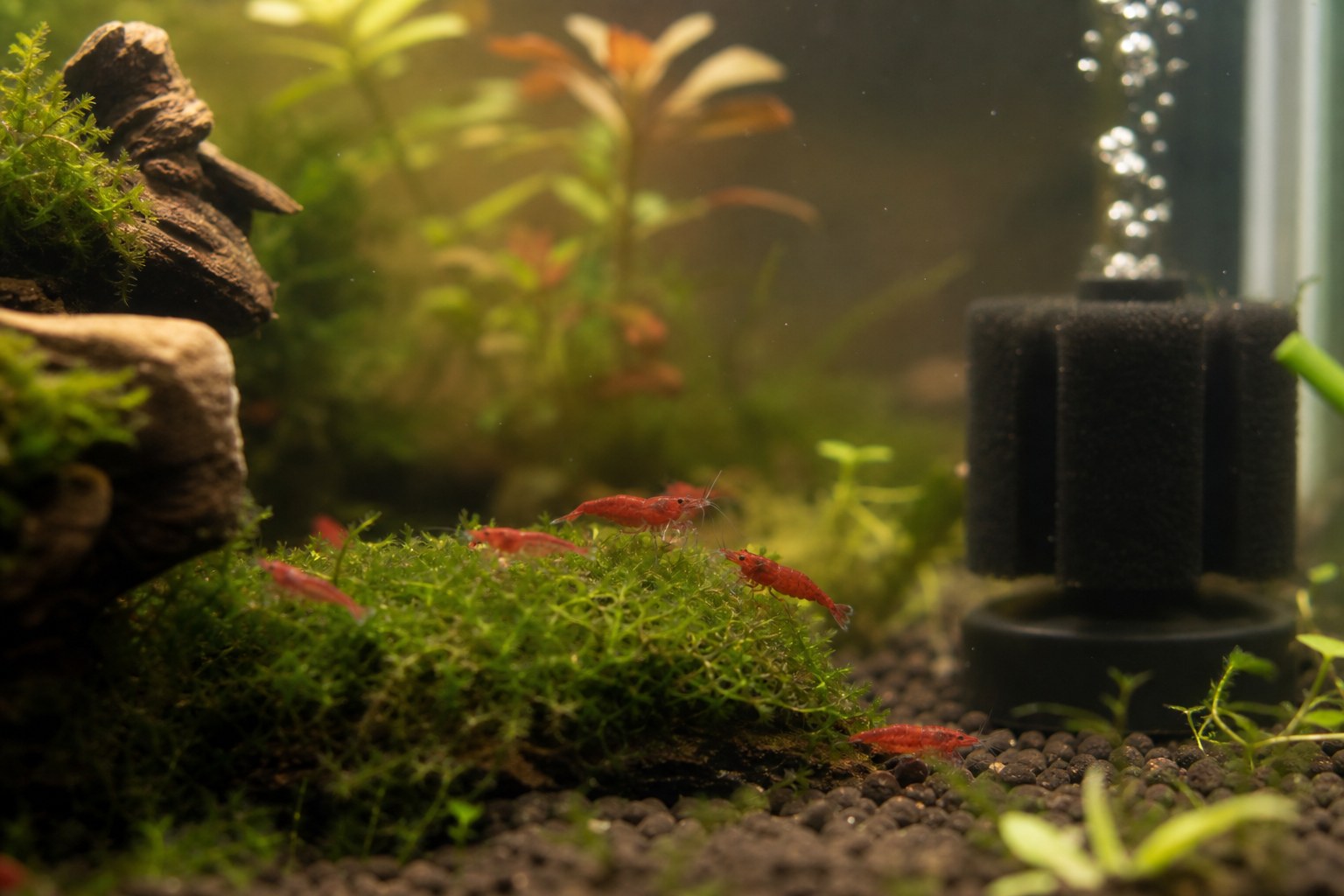
Shrimp and planted tank tweaks
Air-driven cleaners trade speed for gentleness. Pre-filter sponges on standard vacs work too—just watch reduced flow.
Final thoughts
Buy a labelled bucket, pick a tube size that matches your tank, and practice flow control once with tank water you can spare.
The best gravel vac is the one you reach for every Sunday without dread.
Common questions
How much water should I change in a nano tank?
Twenty to thirty percent weekly is a common starting point. Match volume to nitrate readings rather than a fixed ritual.
Will a gravel vac suck up shrimp?
Shrimp can get curious about flow. Use a narrower tube, cover the intake with a sponge pre-filter, or siphon above the substrate during moult weeks.
Do I need a special bucket?
Use a dedicated aquarium bucket never used for cleaning products. Label it—household chemical residue kills fish.