ComparisonEquipment
Digital vs Glass Aquarium Thermometer
Which temperature reading should you trust on a Tuesday morning
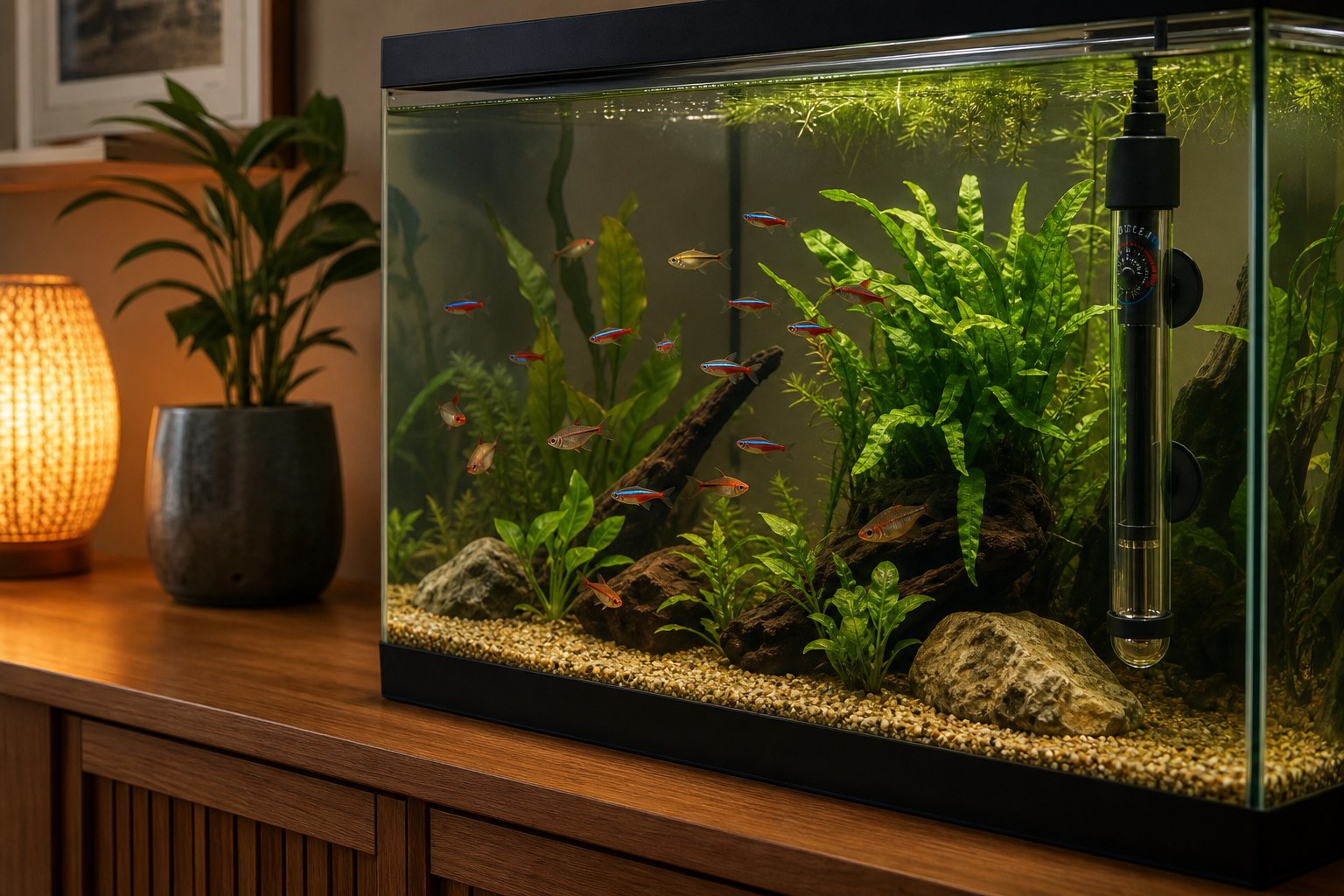
Trust one thermometer, not the heater dial
A heater set to 25°C might hold 24°C or 26°C depending on room drift and manufacturing tolerance. Fish feel the difference before you guess by hand.
One keeper lost half a shoal of neon tetras after trusting the heater dial alone—the stick-on digital they finally bought read 29°C while the dial still said 25°C. The heater had been stuck on for days.
Thermometers are cheap insurance against the most common silent killer in UK homes: temperature swing.
Digital or glass?
Use a digital stick for daily checks plus a glass float as passive backup—or skip glass if you replace digital batteries on schedule. Serious cold-room setups add a controller that cuts power, not just displays numbers.
Comparison at a glance
| Spec | Marina Digital Thermometer | Interpet Glass Thermometer | Inkbird ITC-306A WiFi |
|---|---|---|---|
| type | digital-stick | glass | controller |
Options compared
Best overall
Marina Digital Thermometer
Marina
Usually £8–£12
Quick read at a glance—battery dies without warning and LCD fades in direct hood light.
More on this pick
Best for: Daily temperature checks on community tanks
Avoid if: Tanks where you forget to replace batteries
Pros- Easy read; adhesive mount
Cons- Battery dependency; LCD fade
View on Amazon (paid link) (paid link)Budget pick
Interpet Glass Thermometer
Interpet
Usually £4–£6
No batteries, smooth average reading—slower to notice sudden heater failures between water changes.
More on this pick
Best for: Set-and-forget backup reading
Avoid if: Immediate alert to sudden swings
Pros- No batteries; cheap backup
Cons- Harder to read; slower response
View on Amazon (paid link) (paid link)Premium pick
Inkbird ITC-306A WiFi
Inkbird
Usually £35–£45
Controller cuts heater if temperature runs away—overkill for a single 60-litre tetra tank but peace of mind for cold rooms.
More on this pick
Best for: Cold rooms and expensive livestock
Avoid if: Simple nano tanks with reliable heaters
Pros- Heater cut-off; app logging
Cons- Setup complexity for beginners
View on Amazon (paid link) (paid link)
How they differ in daily use
Digitals respond fast; glass averages over minutes. Digitals need batteries; glass needs careful reading angle under hood lights.
What matters most in thermometers
Consistency beats absolute precision. Log readings weekly in a notes app—sudden half-degree shifts matter more than debating 0.3°C accuracy.
Replace sticky pads when they peel; floating thermometers sink when suction fails.
When readings lie
Cold water changes sink to the sensor after a partial change—wait thirty minutes before adjusting heaters.
A keeper said their digital stick went blank one January morning but the glass float still read 24°C—they had ignored the fading LCD for weeks. Replace batteries on schedule; keep glass as passive backup if you are forgetful.
Direct sunlight on the tank skews stick-on digitals. Glass units in filter paths read low.
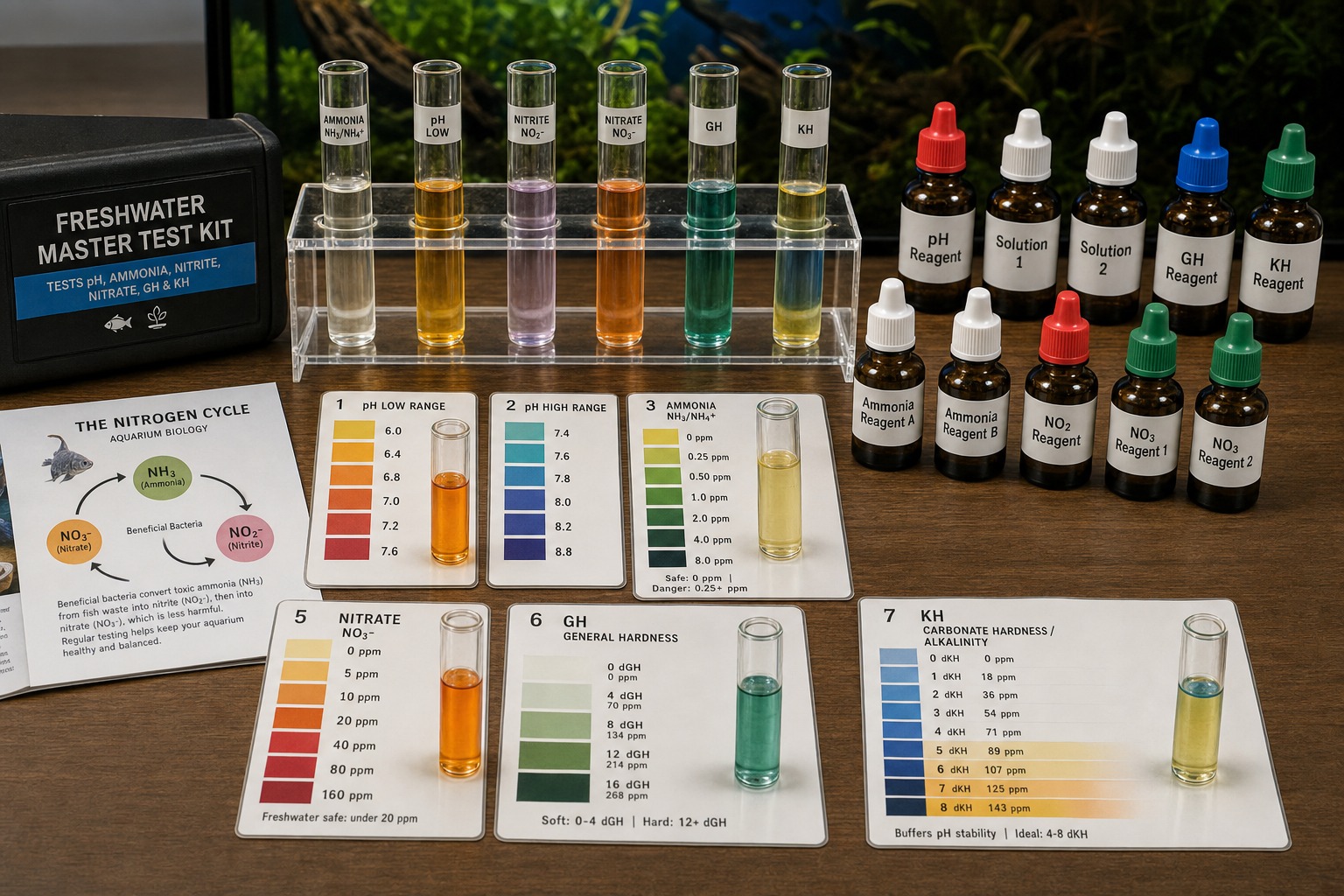
Controllers versus displays
A controller protects against stuck heaters. A display only tells you after the fact. Match spend to livestock value and room stability.
Final thoughts
Buy two if you must—one digital for speed, one passive backup. Log weekly. Replace batteries when the LCD dims.
Thermometers cost less than one bag of replacement fish.
Common questions
Where should I place an aquarium thermometer?
Opposite side from the heater, mid-water column. Avoid direct filter outflow or substrate heat pockets.
Why do my two thermometers disagree?
Different response speeds and calibration. Trust trends on one unit; replace when readings drift without room changes.
Do I need a thermometer if my heater has a dial?
Yes. Dials are starting points. Independent measurement catches stuck thermostats before fish do.