RoundupFish care
Best Water Conditioners for Community Tanks
Dechlorinators that match UK tap water without the snake-oil extras
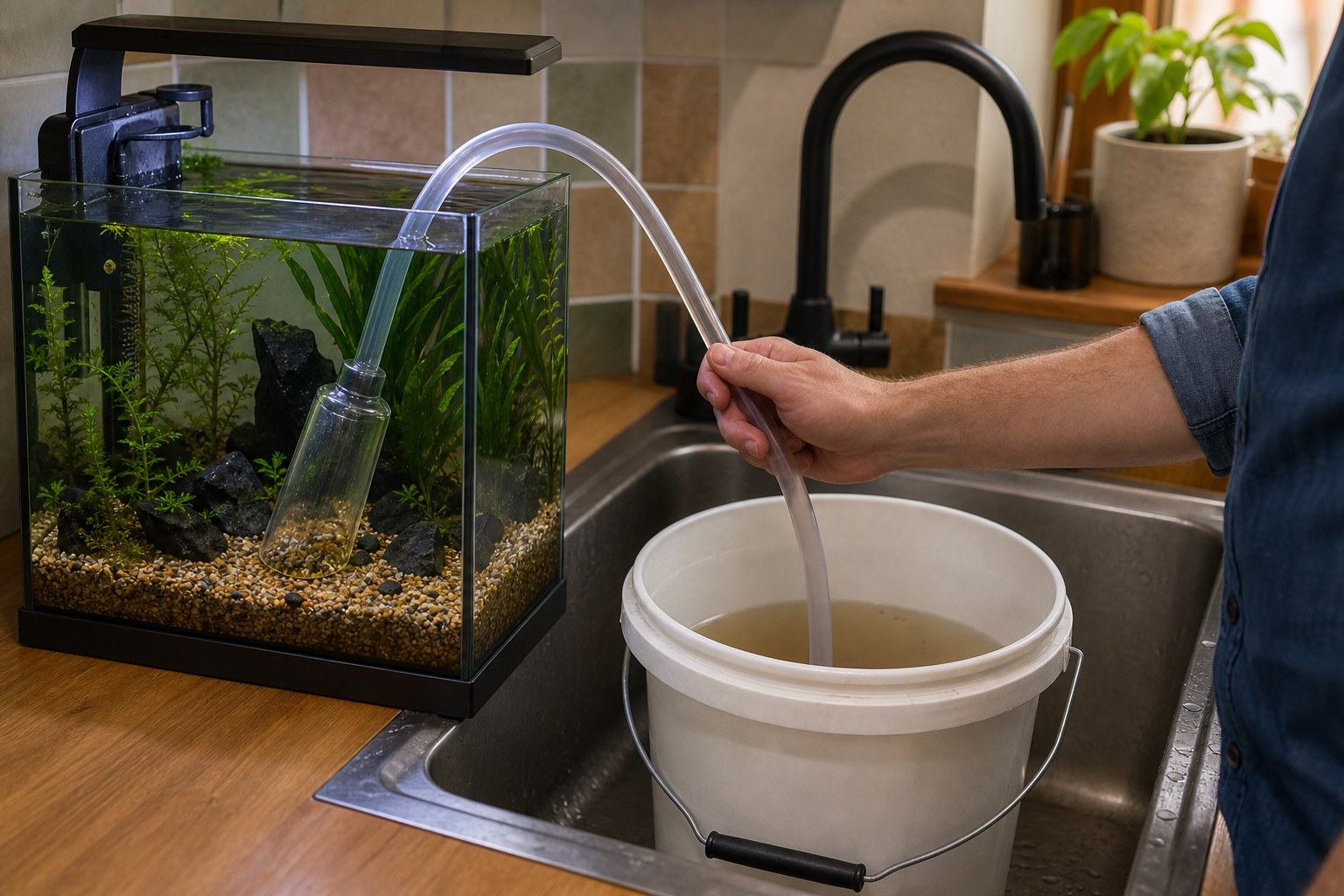
Tap water is treated for humans, not tetras
UK suppliers use chlorine or chloramine to keep mains water safe. Both kill fish gills at water-change volume.
A first-timer on a beginner forum described pouring a bucket straight from the tap because 'I thought leaving it overnight was enough'—the fish were gasping within an hour until Prime went in on the next bucket.
Conditioner is not optional—it is part of the water-change ritual alongside temperature matching and gentle pouring.
Our top pick at a glance
A mainstream dechlorinator dosed per the label before water hits the tank. Concentrated formulas like Prime suit keepers who change large volumes from small bottles. Skip 'complete ecosystem in a bottle' until you know your tap parameters.
Our picks
Best overall
Seachem Prime
Seachem
Usually £8–£15
Concentrated dose stretches a small bottle far—sulphur smell puts some keepers off and overdosing is easier when you misread 'capful per 200 litres'.
View on Amazon (paid link) (paid link)Budget pick
Interpet Tap Safe
Interpet
Usually £5–£8
Straightforward UK staple with clear dosing—does less than Prime during ammonia spikes, which is fine if your tap water is stable.
View on Amazon (paid link) (paid link)Also consider
API Stress Coat
API
Usually £6–£10
Aloe claims soothe damaged slime coats—helpful after netting, but not a substitute for fixing water quality.
View on Amazon (paid link) (paid link)Premium pick
EasyLife Filter Medium
EasyLife
Usually £10–£14
Useful bacterial supplement for new filters—premium add-on that cannot skip cycling patience.
View on Amazon (paid link) (paid link)
What matters most in conditioners
Confirm your supplier uses chloramine—most UK regions do—and pick a product that claims both chlorine and chloramine neutralisation.
Dose for the water you add, not the whole tank volume, unless the label says otherwise.
Conditioners we recommend
Honest picks for community tropical tanks on UK tap water. Premium labels mark useful supplements, not magic cycle skips.
When plain dechlorinator is enough
Stable established tanks with good nitrate control rarely need ammonia binders weekly. Save complex formulas for emergencies, new filter media, or medicated tank recovery.
One keeper said their Tap Safe bottle had separated in a cold cupboard—the top layer looked clear but the dose was wrong until they shook it properly and saw cloudy mixing. Shake bottles. Old conditioner separated in storage works poorly.
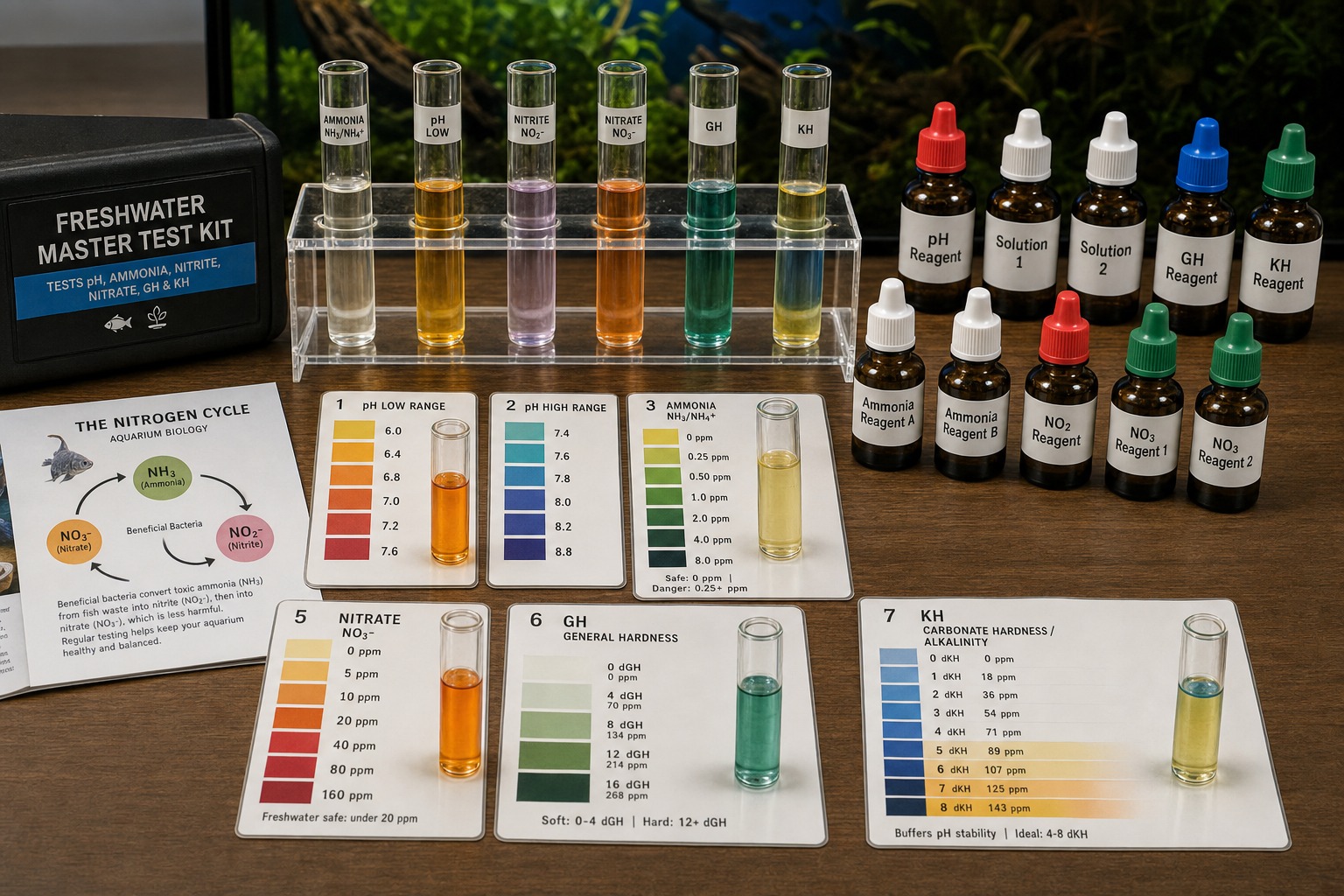
Dosing without maths panic
Use a measuring syringe for small tanks. Mark your bucket with fill lines for common change volumes.
Write your supplier name on the bottle lid—formulas differ slightly by region.
Final thoughts
Buy dechlorinator before fish. Dose every change. Fancy additives come after tests prove stability.
Smell and expiry dates matter—replace cloudy bottles.
Common questions
Do I need conditioner if I leave tap water overnight?
UK chloramine does not fully gas off in a bucket overnight. Use a dechlorinator matched to your supplier's treatment.
Can I overdose water conditioner?
Slight overdose is usually harmless with reputable products. Double-dosing repeatedly wastes money and can stress sensitive inverts in small volumes.
Is Prime necessary for every change?
Any reputable dechlorinator works for routine changes. Prime shines when ammonia or nitrite might be present during emergencies.